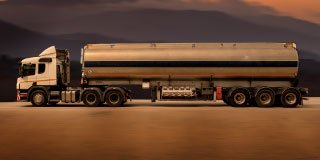
As the world increasingly focuses on sustainability and reducing carbon emissions, the petroleum transportation industry is at a critical juncture. Exploring alternative fuels offers a promising path towards a more sustainable future. This blog delves into how alternative fuels are reshaping petroleum transportation, highlighting innovations and their potential impact.
1. Understanding Alternative Fuels
Alternative fuels are those that are not derived from traditional fossil sources. These include biofuels, hydrogen, electricity, and synthetic fuels. Each of these options presents unique advantages and challenges for petroleum transportation.
-
Biofuels: Produced from organic materials, biofuels such as ethanol and biodiesel offer a renewable alternative to conventional fuels. They can significantly reduce greenhouse gas emissions when compared to traditional petroleum products.
-
Hydrogen: Hydrogen fuel cells generate electricity through a chemical reaction between hydrogen and oxygen, with water as the only byproduct. This zero-emission technology is gaining traction in various transportation sectors.
-
Electricity: Electric-powered vehicles are becoming more viable with advancements in battery technology. Electric trucks and tankers are on the horizon, offering an emission-free alternative for short to medium-range transport.
-
Synthetic Fuels: Created through chemical processes, synthetic fuels can be engineered to meet specific needs and can potentially be produced from renewable sources or recycled waste.
2. Benefits of Alternative Fuels
The adoption of alternative fuels in petroleum transportation comes with several benefits:
-
Reduced Emissions: Alternative fuels generally produce fewer pollutants and greenhouse gases compared to traditional fossil fuels. This shift can significantly improve air quality and contribute to global climate goals.
-
Sustainability: Many alternative fuels are derived from renewable sources, offering a more sustainable solution to fuel needs. This reduces dependency on finite fossil resources and supports environmental conservation.
-
Economic Opportunities: The development and adoption of alternative fuel technologies create new industries and job opportunities. This fosters innovation and economic growth within the transportation sector.
-
Regulatory Compliance: With increasing environmental regulations, alternative fuels provide a way for companies to meet stricter emission standards and avoid potential penalties.
3. Challenges and Considerations
While the benefits are significant, there are challenges to consider:
-
Infrastructure Development: The widespread adoption of alternative fuels requires substantial investments in infrastructure, such as fueling stations and charging facilities.
-
Cost and Investment: Initial costs for alternative fuel technologies can be high. However, as technology advances and scales, these costs are expected to decrease.
-
Technological Integration: Integrating alternative fuels into existing transportation systems requires careful planning and adaptation. Ensuring compatibility with current vehicles and systems is crucial.
4. Innovations in Alternative Fuel Technologies
The industry is witnessing several exciting innovations:
-
Advanced Biofuel Production: New methods of producing biofuels from algae and waste materials are emerging, improving efficiency and reducing costs.
-
Hydrogen Fuel Stations: Expanding the network of hydrogen fueling stations is crucial for the growth of hydrogen-powered vehicles. Recent advancements are making this network more accessible.
-
Electric Vehicle Enhancements: Breakthroughs in battery technology, such as solid-state batteries, are increasing the range and efficiency of electric vehicles, making them more suitable for commercial use.
-
Synthetic Fuel Development: Research into synthetic fuels continues to progress, with the potential for creating fuels that are compatible with existing engines and infrastructure.
2. Optimized Tanker Geometry
The geometry of the tanker plays a crucial role in fuel efficiency. Innovative designs such as elliptical-shaped tanks or improved internal baffle arrangements help in optimizing load distribution and reducing turbulence. This leads to smoother transportation and less fuel wastage caused by erratic load shifts and surge.
Lightweight Materials
The use of lightweight, high-strength materials is a game-changer in tanker design. Advanced composites and high-grade alloys reduce the overall weight of the tanker, which in turn lowers fuel consumption. By decreasing the vehicle's weight, these materials help improve the tanker’s fuel efficiency without compromising durability.
4. Enhanced Insulation and Coating
Improved insulation and coating technologies also contribute to fuel savings. By maintaining optimal temperature conditions within the tanker, these innovations reduce the energy required to heat or cool the contents. This is particularly beneficial for transporting products that are sensitive to temperature variations, such as certain chemicals or fuels.
5. Innovative Pumping and Loading Systems
Modern tankers are equipped with advanced pumping and loading systems that enhance efficiency. Automated systems reduce the time required for loading and unloading, minimizing idle time and fuel consumption. Additionally, precision controls ensure that the right amount of fuel is transferred with minimal waste.
6. Real-Time Monitoring and Analytics
Incorporating real-time monitoring and analytics into tanker design allows for better management of fuel consumption. Sensors and onboard data systems provide valuable insights into fuel usage patterns and vehicle performance. This data helps operators optimize routes, adjust driving behaviors, and make informed decisions to further reduce fuel costs.
7. Sustainable Design Practices
Sustainability is at the forefront of modern design practices. Many new tankers incorporate eco-friendly technologies and practices that reduce their environmental impact. From using recyclable materials to implementing energy-efficient manufacturing processes, these practices contribute to both cost savings and environmental preservation.
Conclusion
The exploration and adoption of alternative fuels are not just a trend but a necessity for a sustainable future in petroleum transportation. As technology advances and infrastructure evolves, alternative fuels offer a viable path to reducing environmental impact and enhancing efficiency. Embracing these innovations today will pave the way for a cleaner, more sustainable tomorrow in the transportation industry.